

Pre-Event Logistics Checklist for Singapore Exhibitions
15 January 2026
Planning an exhibition in Singapore is all about getting the finer details right – precision is the name of the game & having a clear plan in place makes all the difference. Exhibitors have to navigate all sorts of logistical hurdles before the doors even open – venue rules, contractor comings & goings, loading bay traffic & safety checks are just a few of the things to keep track of. This blog is going to take you through a practical, no-nonsense checklist that draws from the real-life experience of exhibition halls in Singapore. Those who take the time to get a handle on professional exhibition booth design services early on will end up with a much clearer idea of what they can realistically expect from the timelines, the build itself and what the installation demands.
Taking the time to look around at some creative booth design ideas helps brands get a better sense of just what kind of immersive installations are possible & what they’ll need to do to make them work logistically.
Why Pre-Event Logistics Matter in Singapore’s Exhibition Environment
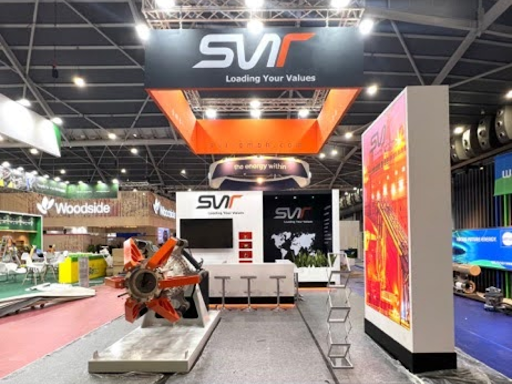
Every venue in Singapore – no matter how big or small – operates under a strict set of rules when it comes to setting up and moving in for an event. The city’s event infrastructure may be top-notch but it’s also very much controlled in a way that ensures things go smoothly.
In short: all events are carefully managed. To get into the venue, contractors need to get their access passes sorted first. And don’t even think about coming in without checking which way you’re supposed to go in the loading bays – freight forwarders get sent the right way round.
As for the actual stands, most places have strict rules around fire safety.
Those that treat logistics like an afterthought usually find out the hard way – show up to the exhibition to discover that the carpentry is all behind schedule, the flooring hasn’t been finished yet, the power still hasn’t been turned on or the crew is stuck in some kind of traffic jam around the loading bays. And guess what: these issues don’t go away until you sort them out – they impact the visitor experience, the bottom line, and your whole ROI before you’ve even started the exhibition.
But there is a way to avoid all this: a reliable checklist. That way, you and your team know exactly what’s going on and have a rhythm that keeps you all moving in the right direction.
1. Confirm Venue Regulations Early
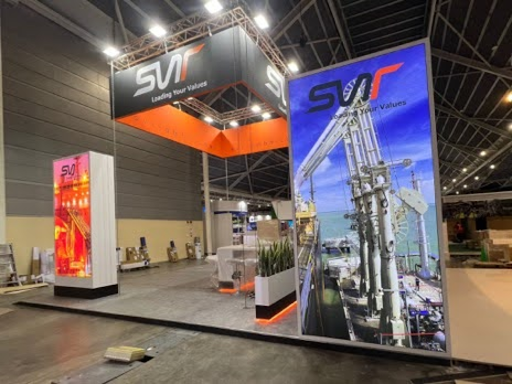
Logistics at any exhibition in Singapore greatly depend on the rules handed out by each venue & the organiser. You can find all the necessary information about build-up timelines, heavy machinery rules, fire safety standards and flooring restrictions in the exhibitor manual.
You’ve got a bunch of venues to consider:
Marina Bay Sands Expo
Singapore Expo
• Suntec Convention Centre
Key items to review
- Build-up timeline and move-in windows
• Loading bay access routes
• Structural safety rules from the venue
• Maximum height limits
• Material restrictions
• Decorative lighting rules
• Fire-retardant requirements
• Overnight construction permissions
Many organisers also follow global benchmarks. For example, the International Association of Exhibitions and Events publishes guidelines on safe build-up operations that align with local expectations.
2. Align the Booth Build-Up Schedule With Your Contractors
The booth build-up schedule: it’s the main event when it comes to planning logistics – no booth, no show, as the saying goes. Contractors need just the right amount of time to get the installation, electrical wiring all sorted out – plus some extra for graphic mounting and testing to make sure everything’s working as it should. And of course, those super-complicated booths need all the extra TLC – carpentry – steel framing – lightbox installation – and flooring to boot.
Teams that take the time to really get familiar with the exhibitor manual and can look at the technical drawings every now and then, make sure that every single thing fits within the time allowed.
A realistic build-up sequence
- Floor marking
• Structural frame installation
• Electrical trunking and lighting setup
• AV and LED screen installation
• Graphic panel mounting
• Furniture delivery
• Quality checks and repairs
Brands that are thinking of going bespoke really need to take a close look at the technical drawings to get a handle on what’s needed – structurally, and how it’s all going to go down on site. That way, they can avoid all the rework and hassle that comes with handover time – just a much smoother ride all round.
3. Manage Contractor Access and Passes
Every venue requires pre-approved contractor badges. These passes control who can enter the exhibition hall during build-up, handover, and dismantling.
Prepare these items in advance
- Contractor list with full names
• NRIC or passport details for pass submission
• Safety briefing records
• Insurance or workman’s coverage proof
• Vehicle plate numbers for loading bay access
If your crew is large, stagger their arrival so the loading bay does not become congested. Last-minute pass submission often results in long queues, which delay installation.
4. Organise Loading Bay and Freight Arrangements
Exhibition freight forwarding in Singapore is usually handled by venue-appointed logistics partners. They manage forklifts, pallet jacks, heavy machinery and storage services for early deliveries.
Loading bay planning must include
- Delivery windows
• Parking restrictions
• Maximum vehicle height
• Queueing system
• Drop-off zones
• Timing buffer for delays
Many organisers rely on real-time traffic guidance at venues, but peak hour congestion still occurs. Give drivers location maps and instructions one day before delivery.
5. Create a Clear Installation and Dismantling Workflow
Your onsite workflow must coordinate every specialist: carpenters, electricians, AV crews, flooring installers, and graphic teams. Without sequencing, tasks overlap and delay one another.
Typical workflow for installation
- Structure completed before electrics
• Electrics tested before graphics
• Graphics mounted before furniture
• AV installed after the structure stabilises
• Touch-up team enters last
A similar dismantling workflow prevents damage to reusable materials and ensures a clean exit within the move-out window.
6. Prepare Your Pre-Event Inspection Checklist
Before handover, check every functional and aesthetic element. Once the organiser signs off, late changes are difficult and sometimes impossible.
Inspection items
- Power activation schedule
• Lightboxes functioning properly
• Carpentry surfaces aligned
• Paint touch-ups
• LED screens and sound testing
• Graphic panels flush and scratch-free
• Furniture layout correct
• Cleaning completed
• Safety hazards removed
The Singapore Standards Council recommends eliminating tripping hazards and securing cables before an event opens, which aligns with venue expectations.
7. Coordinate Delivery Cut-Off Timings
Most venues set strict cut-off timings to maintain order in the hall. Deliveries after midnight or early morning require advance approval.
Common cut-off scenarios
- Last delivery before venue security closes
• Final heavy machinery move-in time
• AV equipment delivery timing
• Graphic replacement deadlines
Plan earlier than needed. Contractors often underestimate the time required for last touch-ups.
8. Plan Storage for Booth Materials
Many brands bring extra brochures, samples, giveaways or fragile decor. Without storage planning, clutter builds up and affects the booth experience.
Storage options include
- Back-of-house storage area
• Built-in cabinet compartments
• Venue-provided temporary storage
• In-booth concealed storage
• Logistics partner storage services
Early arrangement prevents last-minute scrambling and avoids safety violations.
9. Ensure Onsite Logistics Coordination During Build-Up
On-site logistics coordination keeps the build-up flowing smoothly. A dedicated project manager should oversee contractor timings, changes, and troubleshooting.
Roles of an on-site coordinator
- Manage loading bay communication
• Track build-up progress against timeline
• Solve AV or electrical issues
• Approve graphic panel positioning
• Communicate organiser requests
• Handle late-night construction approvals
Organisers appreciate teams that maintain a tidy, safe and efficient workspace. This helps with quicker approvals and better cooperation.
10. Secure a Smooth Handover With the Organiser
Handover marks the end of the build-up phase. The organiser inspects your booth for safety, structural stability, cleanliness and compliance with venue rules.
A handover checklist
- Fire extinguishers where required
• Power sockets functioning
• No sharp corners
• All cables taped or concealed
• AV systems tested
• Space clean and debris-free
• Signage correctly positioned
Once approved, your team can prepare for event-day readiness.
11. Prepare for Event-Day Operational Readiness
Even after handover, final checks on the event-day morning ensure the booth is ready for visitors.
Event-day readiness checklist
- Lighting and sound tested
• Brochures and collaterals arranged
• Staff briefed on visitor flow
• Lead capture devices working
• Pantry or storage stocked
• Demo stations tested
Event operations run smoothly when logistics and build-up work have been handled with discipline.
Conclusion
Pre-event logistics shape the entire exhibition experience. Singapore’s venues demand precise scheduling, strong contractor coordination and a disciplined inspection workflow. With a clear checklist, exhibitors gain control, reduce onsite risks, and walk into opening day confident that their booth is ready to perform.
If you want your next exhibition build to run smoothly from design to handover, our team can guide you through the full process. Reach out to explore how a well-planned booth design and logistics strategy can elevate your presence at your next Singapore event.
FAQs About Exhibition Logistics Singapore
What is included in an exhibition build-up timeline?
A build-up timeline covers structure installation, electrical setup, AV testing and graphic mounting. Venues in Singapore follow strict move-in rules, so contractors sequence their work to match the exhibitor manual and the hall’s safety requirements.
When should exhibitors submit contractor access details?
Most organisers require contractor lists one to two weeks before build-up. Submission includes names, identification details and insurance proof, which helps security teams prepare access passes.
How do Singapore venues manage loading bay traffic?
Venues allocate specific delivery windows and queueing systems to control traffic. Loading bay marshals guide trucks into the correct zones to keep freight forwarding and move-in activities efficient.
Why is a booth handover checklist important?
Handover ensures the booth meets safety, functional and visual standards. Organisers inspect AV systems, cables, carpentry and structural elements before approving the space for visitors.
What are typical event move-in requirements?
Move-in requirements include approved access passes, safety footwear, compliant materials and adherence to the hall’s build-up schedule. Exhibitors must follow venue rules on machinery, deliveries and overnight construction.
Related Insights
Browse our latest articles on event management, exhibition design, and brand activation in Singapore.
View All Insights