

Technical Drawings for Exhibition Booths in Singapore
20 January 2026
Technical drawings are pretty much the unsung heroes of every exhibition booth – they make sure the contractors get it right, the specs get clear in everyone’s minds & the venue gives the all-clear on time. This blog is going to take a closer look at just why technical drawings for exhibition booths matter in Singapore – and how they really drive the entire build process.
Getting a head start on exhibition booth design services early on helps teams figure out what they actually need to make it work from the get-go, before they even start cranking out the fabrication details.
Taking a closer look at exhibition booth design ideas does more than just give brands a better sense of how their wild creative ideas will translate into actual build specs – it also gives them a chance to really see the value in spending the extra time to get the nitty-gritty details right when it comes down to stuff like lighting, materials and display features – a lot of which gets outlined in those crucial tech docs.
What makes a booth stand out is all kinds of woven into this idea of how to turn a wild creative concept into something that’s not only going to be a reality, but also safe, buildable & compliant.
1. What Technical Drawings Represent in Exhibition Booth Projects
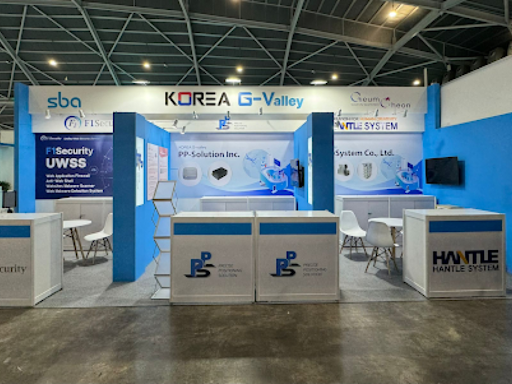
Technical drawings are the blueprint of the entire build. They translate ideas into measurable details that carpenters, engineers, and venue inspectors rely on. Without them, fabrication teams cannot estimate materials accurately, and organisers cannot assess safety compliance.
In Singapore’s strict exhibition environment, technical drawings ensure all work aligns with venue regulations such as height limits, structural load rules, and fire retardancy requirements.
Core elements inside technical drawings
- CAD plans that map booth dimensions
• Elevation drawings showing structure height
• Sectional drawings with material thickness
• M and E plans for electrical and lighting
• Floor load diagrams for heavy features
• Joinery drawings for custom carpentry
• Build specs aligned with fabrication methods
These documents guide every contractor on the job and ensure the booth is constructed exactly as intended.
2. CAD Booth Plans: Why They Matter in Singapore Exhibition Halls
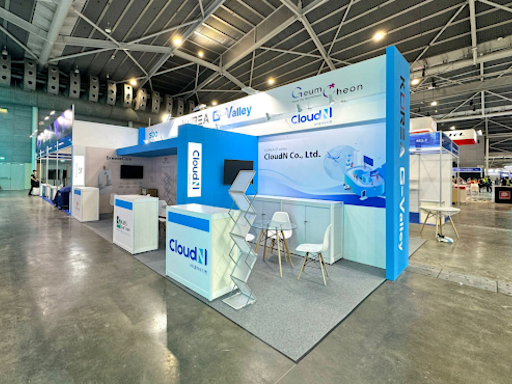
CAD booth plans are often the first layer of a technical submission package. They provide a top view of the entire booth layout and define the operating space that visitors will interact with.
Key functions of CAD booth plans
- Lay out internal zones such as reception counters or demo stations
• Mark wall positions, partitions and display structures
• Define carpeted and raised areas
• Allocate space for storage or pantry compartments
• Indicate power point positions
CAD plans are essential when coordinating with fabrication teams because they are scaled drawings that reflect the booth’s real footprint. They also help venue teams check if your booth fits within the approved rental space.
3. Why Structural Drawings Are Required Before Fabrication
Structural drawings clarify how each part of the booth is supported. Large booths often use steel frames or heavy timber structures that must carry the weight of screens, shelves or decorative installations.
Structural drawings help with
- Material verification
• Support load calculations
• Anchoring methods
• Dimensions of beams and frames
• Compliance with local venue safety rules
Singapore venues follow stringent safety standards. Load-bearing structures often require professional evaluation, and complex rigs may need a PE-certified drawing to confirm they meet stability requirements.
According to guidelines by Enterprise Singapore’s Standards Council, temporary structures must meet safe loading thresholds, making proper structural drawings a mandatory part of responsible booth construction.
4. Floor Load Calculations Help Exhibitors Avoid Venue Rejection
Every exhibition hall has floor loading limits. Placing heavy shelving, machinery or large product displays without approved calculations can lead to a safety violation.
Why floor load calculations matter
- Protect flooring integrity
• Keep weight distribution safe
• Prevent ground-level sinking or panel damage
• Ensure safe placement of machinery or vehicles
Venues like Marina Bay Sands Expo or Singapore Expo publish detailed load limits in their exhibitor manuals. Technical drawings incorporate these numbers so the organiser knows your booth layout is safe to build.
5. Power Layout Diagrams Clarify Electrical Requirements
Electrical load planning is one of the most important parts of a technical submission. Lighting, screens, charging stations and interactive technology all require safe distribution of power.
Power layout diagrams show
- Socket locations
• Power ratings for each device
• Distribution boards
• Cable routing for safety
• Locations of LED controllers and transformers
Contractors rely on clear M and E layouts to avoid overloaded circuits or last-minute rewiring on show day. Venues also evaluate whether cables are safely concealed to prevent tripping hazards.
6. Material Specifications Ensure Quality and Safety
Material specifications help fabricators prepare accurate quotations and help inspectors verify that your booth complies with safety requirements.
Material specs usually cover
- Timber thickness
• Metal grades
• Fire rated materials
• Glass thickness
• Acrylic types
• Finishing requirements such as laminates or paint
Material specifications also inform budget planning. Some booths use higher-grade timber for long-term durability, while others use lightweight materials for easier transport and faster build-up.
7. Joinery Detail Drawings Improve Build Clarity
Joinery detail drawings break down each carpentry item, such as counters, shelves, embedded lighting or feature walls. They show how each piece fits together and the specific dimensions needed for fabrication.
Joinery drawings clarify
- Internal supports
• Lighting recesses
• Panel connections
• Door hinges and access points
• Hidden storage areas
Contractors often depend on these drawings to manage fabrication and assembly in multiple stages, especially for booths with modular components.
8. Elevation Drawings Provide Visual and Structural Clarity
Elevation drawings show the booth from the front, side and back at full scale. They help inspectors understand the structure’s height, façade and branding areas.
Elevation drawings typically include
- Heights of walls or arches
• Graphic locations and dimensions
• Panel junctions
• Structural outlines
• Lighting placements
These drawings prevent confusion when fabricators mount large panels or LED screens because they show exact alignment points.
9. 3D Renderings Complement Technical Drawings but Do Not Replace Them
3D renderings are crucial for concept approval but they are not technical documents. They help clients picture the final booth, but builders rely on CAD and structural drawings to execute the design.
Renderings offer clarity for brand alignment, lighting mood, and visitor flow. They are especially helpful for booths with immersive environments, as seen in exhibition booth design ideas, which often include conceptual visuals.
Renderings support presentations but technical drawings drive fabrication.
10. How Technical Drawings Support Venue Compliance in Singapore
Venues require technical documentation because they carry legal responsibility for structural safety. Drawings help inspectors confirm whether your booth satisfies various rules such as:
- Height limits
• Fire safety requirements
• Electrical safety
• Structural stability
• Material restrictions
The International Association of Exhibitions and Events resource library outlines global best practices that align with how Singapore exhibition venues approach temporary structure safety.
Technical drawings ensure every part of your booth aligns with these expectations.
11. How Technical Drawings Improve Buildability and Reduce Rework
Buildability refers to how efficiently a booth can be constructed within the allowed time. Technical drawings help fabrication teams identify difficult areas early so they can plan smarter.
Buildability insights from drawings
- Where structures require reinforcement
• Which areas need pre-fabrication
• How panels will be transported
• Where carpentry can be modular
• Where lighting must be installed first
Clear drawings reduce onsite rework and prevent delays during handover.
12. Why Every Booth Needs a Complete Technical Submission Package
Most organisers require a full technical submission that includes all drawings, documentation and specifications.
A complete submission package usually includes
- CAD floor plans
• Elevation drawings
• Sectional drawings
• M and E layouts
• Structural drawings
• Material lists
• Floor load calculations
• Lighting specifications
• Graphics list and printing specs
When this package is complete, approvals move faster and contractors can plan their workflow more efficiently.
Conclusion
Technical drawings are the backbone of exhibition booth design in Singapore. They ensure safety, guide fabrication and give venues confidence that your structure can be built responsibly. With clear drawings and accurate specifications, exhibitors move through approvals smoothly and build their booths with fewer delays.
If you want support preparing technical drawings or aligning build specs with venue requirements, our team can guide you through the full design and submission process.
FAQs About Exhibition Booth Technical Drawings
What is included in exhibition booth technical drawings?
Technical drawings include CAD plans, elevation views, sectional drawings and material specifications. These documents guide contractors and help venues confirm the booth meets structural and safety requirements.
Are CAD booth plans required in Singapore exhibitions?
Yes. CAD plans help organisers verify your booth footprint and ensure it fits rental boundaries. They also guide contractors on the placement of partitions, flooring, and internal features.
Why are structural drawings important for booth design?
Structural drawings show how frames, beams, and supports carry the load. They are essential for booths with heavy screens or multi-level structures and help venues evaluate safety compliance.
Do exhibition halls in Singapore have floor load limits?
Every major venue has specific floor loading rules. Technical drawings include calculations to show that heavy features such as machines or product displays fall within safe limits.
What should a technical submission package contain?
A submission package usually includes CAD plans, structural drawings, M and E layouts, material specs and load calculations. These documents allow venues to approve your booth before fabrication begins.
Related Insights
Browse our latest articles on event management, exhibition design, and brand activation in Singapore.
View All Insights