

Large Scale Event Setup: What Brands Must Plan
18 March 2026
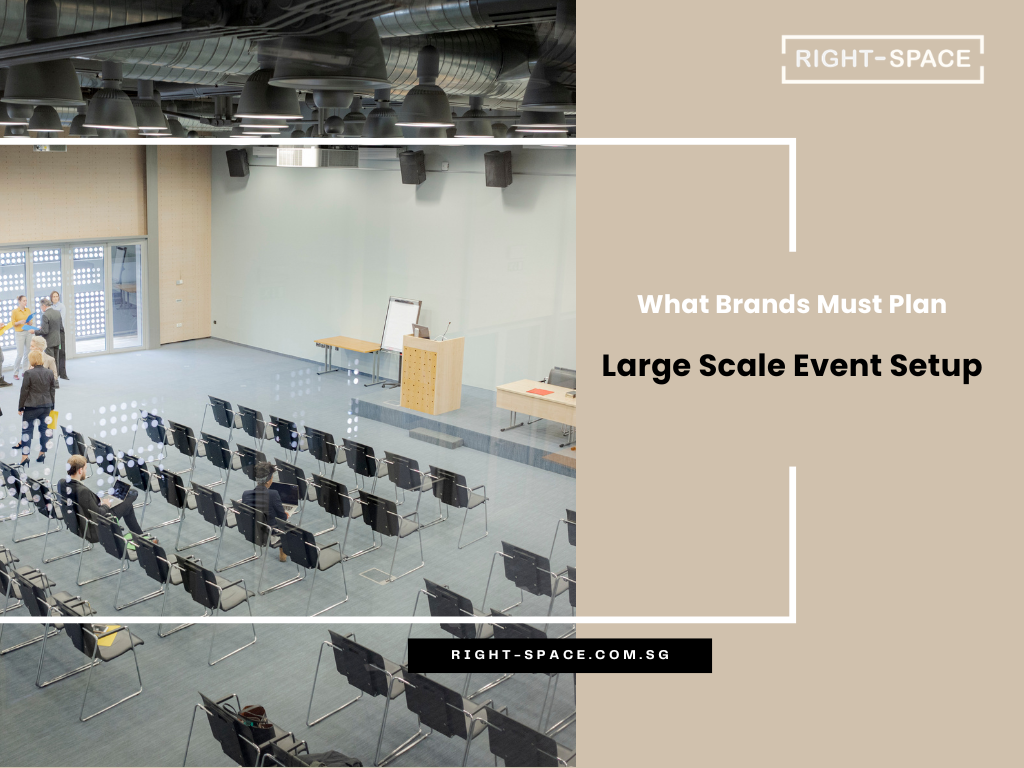
Large corporate activations and brand launches often depend on a large-scale event setup that combines staging, temporary structures, and technical systems. Small planning mistakes can disrupt entire productions. This blog will walk you through what brands must prepare before event production begins, from structural planning to installation logistics in Singapore’s regulated event environment.
Brands exploring integrated event production often start by reviewing event marketing and experiential production services to understand how creative agencies coordinate staging, design, and technical execution across complex live events.
Why Large Scale Event Setup Requires Early Technical Planning
Large event environments rarely fail because of design ideas. Most problems appear during installation.
A large-scale event setup typically involves several interconnected production elements:
- Event staging structures — stage platforms and scenic backdrops
- Event rigging systems — lighting trusses and suspended LED screens
- Temporary event structures — pavilions and brand activation zones
- Event installation logistics — transport planning, crane access, and overnight builds
Each component requires engineering coordination before fabrication begins.
Large corporate events in Singapore often take place at venues such as Marina Bay Sands Expo & Convention Centre and Singapore EXPO, where structural submissions and safety documentation must be approved before installation.
Venue operators require structural drawings for heavy rigging systems and suspended lighting equipment. These submissions confirm load limits, structural anchoring methods, and compliance with venue safety standards.
According to the Singapore Tourism Board’s MICE development framework, Singapore continues to position itself as a global meetings and events hub, which increases the technical standards expected for large event production.
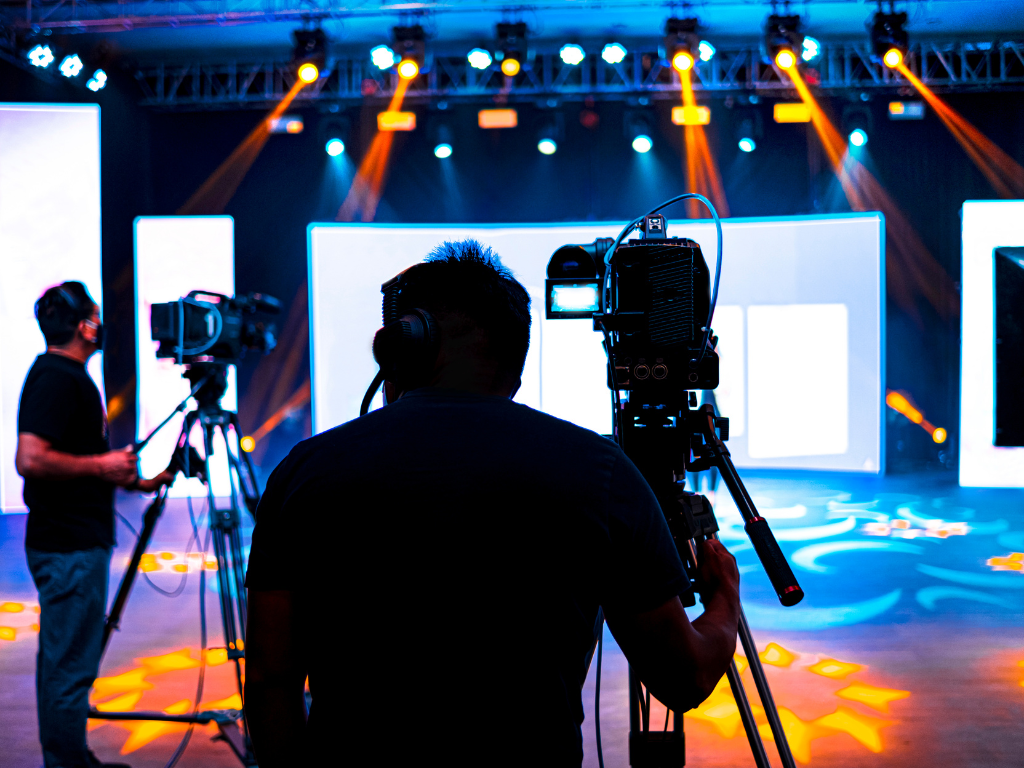
Event Concept Must Align With Production Reality
Creative concepts often appear ambitious during the design stage. Execution feasibility determines whether they can be delivered safely.
Large event builds usually combine multiple spatial layers:
- Stage production — elevated platforms and LED walls
- Brand experience zones — product demonstrations or installations
- Audience infrastructure — seating arrangements and entry pathways
- Technical operations — lighting control and sound engineering
A large product launch might include a central stage, immersive brand installations, and controlled audience circulation paths.
Production teams evaluate each element according to physical constraints such as ceiling height, power supply, and equipment access routes.
Brands researching immersive installations often review custom event setup strategies used for experiential marketing to understand how interactive spaces are constructed inside exhibition halls or outdoor venues.
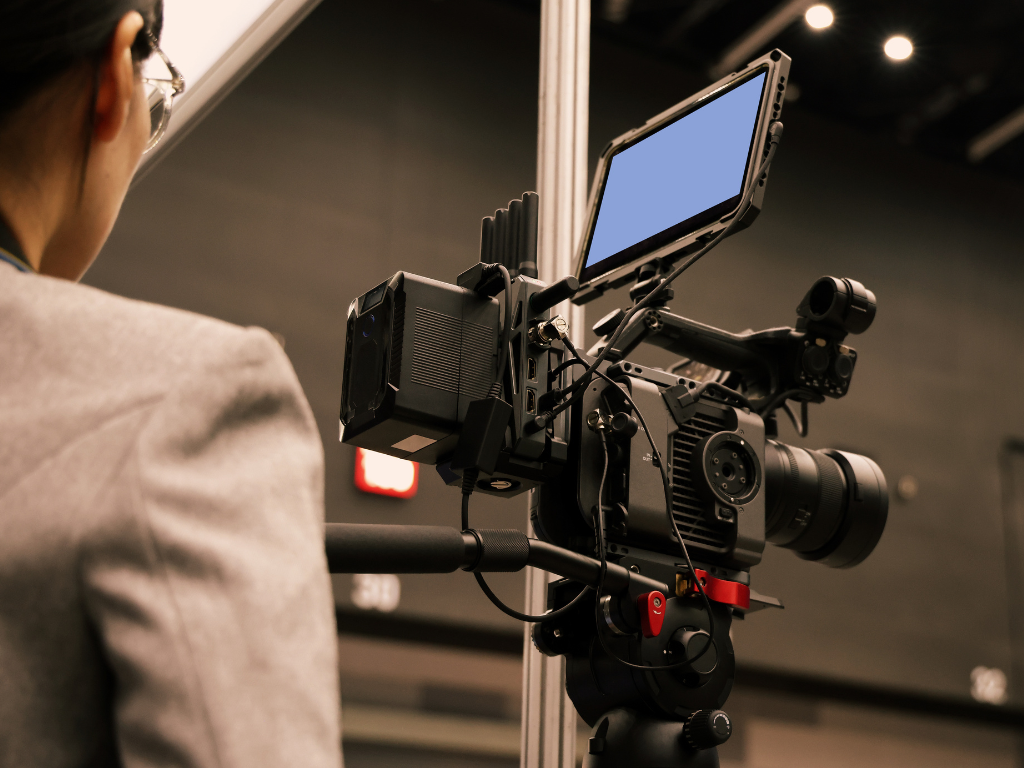
Structural Engineering Is a Core Requirement
Large event installations rely on temporary engineering structures that must withstand weight, movement, and environmental conditions.
Key structural elements include:
Event staging structures
Stage platforms must support speakers, performers, and production equipment.
Typical specifications include:
- Platform material — aluminium truss frame with plywood surface
- Load capacity — up to approximately 750 kg per square metre
- Modular sections — adjustable height for different stage configurations
These factors determine whether heavy equipment such as LED screens or moving lights can be installed safely.
Event rigging systems
Rigging systems suspend equipment from ceiling structures or truss towers.
Lighting rigs, projection systems, and LED walls often depend on precise load calculations.
Professional event production teams prepare rigging plots that identify:
- suspension points
- weight distribution
- motorized hoist positions
The International Association of Venue Managers emphasizes that rigging safety standards require certified engineers to review load calculations before installation.
Temporary event structures
Outdoor brand activations frequently use temporary structures.
These structures may include:
- custom pavilions
- tensile tents
- modular exhibition frames
Temporary structures must withstand wind loads and crowd movement. Singapore’s weather patterns make this a critical consideration for outdoor events.
Brands studying examples of experiential environments often analyse large custom event installations used in marketing activations to understand how staging and structural systems are integrated into immersive spaces.
Logistics Planning Determines Whether an Event Installs Smoothly
Large-scale installations require detailed logistics coordination.
A typical installation sequence includes:
- Pre-build preparation — transporting materials to the venue
- Structural assembly — installing stage platforms and truss systems
- Technical integration — setting up lighting, sound, and LED screens
- Scenic installation — adding branding elements and décor
- Testing — rehearsals and safety inspections
Event builds frequently occur overnight due to strict venue schedules.
Major venues enforce strict installation windows. Crews sometimes work between midnight and early morning to complete staging before the event day.
This makes logistics planning essential.
Event production managers coordinate:
- truck arrival schedules
- equipment unloading zones
- manpower allocation
- crane operations when heavy structures are required
Without clear sequencing, equipment congestion at loading docks can delay installation timelines.
Technical Systems Must Be Integrated Early
Large corporate events combine several technical systems that must work together.
Key systems include:
- Audio engineering — speech reinforcement and music playback
- Lighting design — stage illumination and visual effects
- LED displays — presentations and branded visuals
- Control systems — synchronised show operation
Integration begins during early planning.
For example, LED screens influence stage dimensions. Screen weight determines the rigging method. Rigging structure height affects lighting placement.
Each technical component must be evaluated as part of the entire event system.
The Event Industry Council highlights that production planning must integrate technical systems early in the design stage to avoid last minute equipment conflicts.
Audience Movement and Safety Cannot Be Ignored
Large events involve crowd management considerations.
Audience flow influences stage visibility, entry points, and emergency exit pathways.
Key considerations include:
- Entrance positioning — prevents congestion
- Queue management — controls registration flow
- Viewing angles — ensure visibility of the stage
- Evacuation routes — support emergency procedures
Singapore venues enforce strict safety guidelines. Temporary structures cannot obstruct emergency exits, and evacuation pathways must remain clear.
Production teams typically coordinate with venue safety officers during rehearsals to confirm compliance.
Working with experienced event setup companies helps ensure these requirements are properly managed.
Why Execution Capability Matters More Than Creative Concepts
Creative ideas attract attention during the proposal stage. Execution capability determines whether the event actually happens on schedule.
Large-scale events involve several operational risks:
- Structural delays — incomplete fabrication
- Logistics congestion — transport scheduling conflicts
- Technical integration issues — incompatible equipment
- Venue compliance problems — incomplete safety submissions
An experienced production agency coordinates these risks simultaneously.
Right Space operates as an integrated creative event agency in Singapore that combines experiential marketing design, staging production, and installation logistics. The agency supports brand activations across Southeast Asia, where regional event environments require coordination across venues, suppliers, and technical teams.
Companies planning major launches or conferences often work with event specialists who understand both creative storytelling and structural production requirements.
Questions Brands Should Ask Before Production Begins
Before confirming an event production partner, companies should evaluate several practical issues.
Common questions include:
- Who manages structural engineering approval for staging systems?
- Can the event setup company coordinate rigging with venue technicians?
- How is installation logistics planned for overnight builds?
- What safety documentation will be submitted to the venue?
- How will technical rehearsals be scheduled before the event opens?
These questions reveal whether a production partner has experience managing complex event environments.
Conclusion
Large event installations depend on careful preparation long before equipment arrives at the venue. Structural engineering, rigging systems, logistics coordination, and technical integration must align before production begins.
Brands preparing major activations in Singapore benefit from working with event specialists who understand both creative storytelling and operational execution.
If your team is planning a corporate launch, conference, or experiential activation, explore how Right Space supports large-scale event production and immersive brand experiences across Southeast Asia.
FAQs About Large-Scale Event Setup
What is a large-scale event setup?
A large-scale event setup refers to the construction and installation of staging systems, lighting rigs, temporary structures, and audience infrastructure for major events such as corporate launches or exhibitions. Event agencies like Right Space coordinate production, logistics, and technical integration.
How long does large event production take?
Large event production typically begins several weeks before the event. Fabrication, staging preparation, and technical system planning may require three to six weeks depending on event complexity.
What does an event setup company Singapore handle?
An event setup company manages stage construction, rigging installation, lighting systems, audio equipment, and venue logistics. Companies such as Right Space also coordinate design concepts and experiential brand environments.
Why are rigging systems important in events?
Rigging systems suspend lighting equipment, LED screens, and scenic structures above the stage. Proper rigging ensures safe load distribution and allows large visual installations to be integrated into event production.
Do large events require engineering approval?
Yes. Venues such as Singapore EXPO and Marina Bay Sands require structural drawings and load calculations for large staging systems or suspended equipment to ensure safety compliance.
Related Insights
Browse our latest articles on event management, exhibition design, and brand activation in Singapore.
View All Insights