

Exhibition Booth Layout Strategy for Better Traffic
22 March 2026
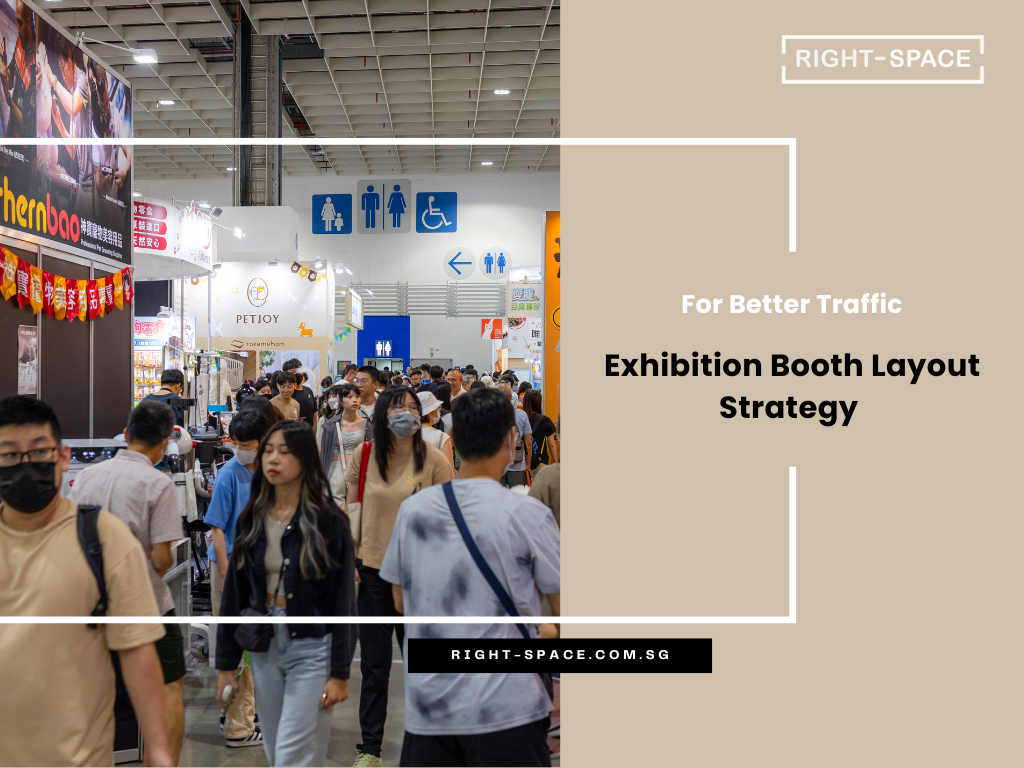
A strong exhibition booth layout strategy shapes how people notice, enter, move through, and remember your booth at a trade show. This blog will walk you through how layout decisions influence visitor traffic, dwell time, and lead quality, especially for brands planning serious exhibition presence in Singapore.
If you are evaluating layout options for an upcoming show, it helps to start with exhibition booth design services in Singapore, because traffic flow decisions only work when design, fabrication, and on site execution are planned together. Right Space presents its service around that full workflow, including design, build, installation, and venue coordination.
Why booth layout matters more than most brands think
At trade shows, visitors do not experience your booth as a flat design. They experience it as movement.
They walk an aisle, scan surfaces quickly, notice openness or blockage, decide whether the space feels approachable, then judge within seconds whether it is worth entering. A booth can have good branding and still underperform if the layout creates friction. That is why a trade show booth layout singapore project should never begin with decoration alone.
Layout determines four commercial outcomes:
- How visible the booth feels from the aisle
- How many people step in
- How long they stay
- Whether conversations can happen without crowding
This is not just design theory. The exhibition sector is still a high-value in-person environment, and exhibitors continue to invest because face-to-face engagement drives business outcomes. CEIR’s latest index reporting shows ongoing recovery and momentum in B2B exhibitions, which reinforces why booth performance on the floor still matters commercially.
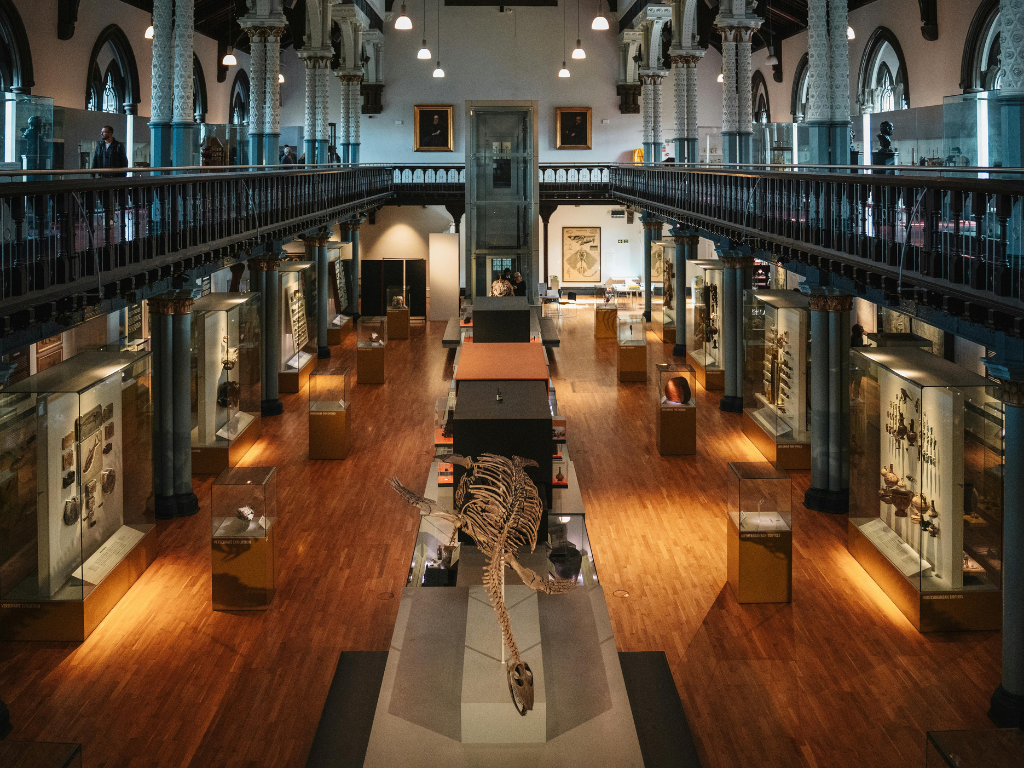
What does an effective exhibition booth layout strategy actually do
A practical booth layout strategy does three jobs at once.
First, it attracts attention from a distance.
Second, it makes entry feel effortless.
Third, it guides people toward the part of the booth where engagement or conversion is most likely.
When that sequence breaks, traffic drops.
A strong layout usually combines visibility, openness, and role clarity across the space. Visitors should know where to stand, where to watch, where to speak to staff, and where to explore products. If every square metre is shouting for attention, the booth becomes harder to read.
Right Space’s own content around display boards and booth storytelling makes this point clearly. What people see first affects where their eyes travel next, and that visual path influences physical movement too. Exhibition display board design is useful here because it connects messaging hierarchy with movement inside the booth.
How visitor movement really works at trade shows
Visitor movement is rarely random.
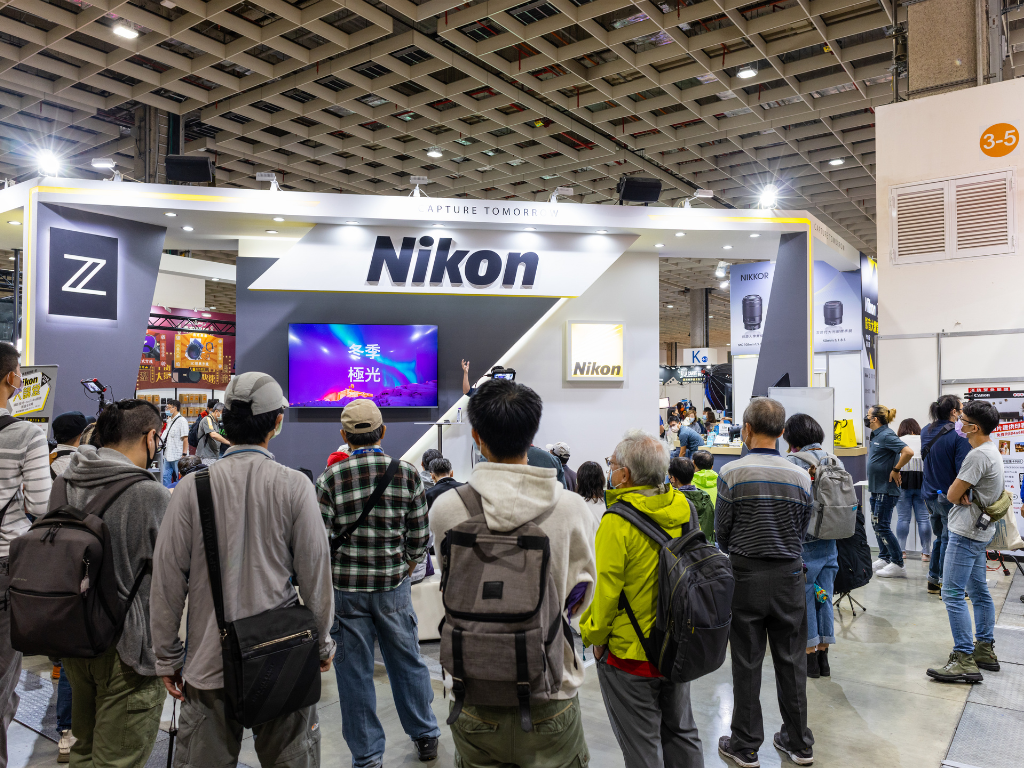
In most exhibition halls, people move along the main aisles, slow down when they see height, light, motion, or crowd activity, then make a fast decision about whether the booth feels open enough to enter. This is where visitor movement design becomes important.
A booth that looks physically narrow at the front often loses traffic, even when the branding is strong. A booth with a blocked entrance, oversized counter, or badly placed screen can unintentionally tell visitors to keep walking.
The first three metres matter most
The front edge of the booth acts like a threshold.
If the threshold feels crowded, people read the space as closed. If it feels open but directionless, they may step in and step out without engaging. Good layout gives a clear first action. That action could be viewing a product demo, scanning a headline wall, or approaching a reception point that does not obstruct the aisle.
Corner booths and island booths behave differently
A corner booth has directional advantage because it can capture traffic from two sides. An island booth has even more exposure, but also more complexity. With more open sides, the layout has to work from multiple viewing angles. Messaging, product placement, and staff positioning need stronger discipline.
A linear booth with only one front-facing side has less forgiveness. Every front-facing element must earn its space.
The most important booth engagement zones
High-performing booths usually contain distinct functional zones, even within small footprints.
A practical spatial structure includes:
Attraction zone
Pulls attention from the aisle. A common mistake is placing too much text or clutter at the front.
Orientation zone
Helps visitors understand what the booth offers. A frequent issue is the lack of a clear entry point.
Engagement zone
Supports product demonstrations and interaction. Overcrowding this area with furniture reduces usability.
Conversation zone
Used for lead qualification or meetings. Making it too exposed or too deep discourages use.
Support zone
Handles storage and staff needs. If placed incorrectly, it can consume premium space.
The layout should guide visitors naturally from attraction to engagement. Not every visitor needs to reach the conversation area the goal is meaningful movement, not maximum movement.
Right Space’s indexed insights on space planning are relevant here because layout, flow, wayfinding, and psychology work together in live environments. Event space planning Singapore is not about booths alone, but the same logic applies directly to exhibition environments.
What layout patterns usually increase booth traffic
There is no single perfect floor plan, but some layout patterns consistently perform better than others.
Open front layout
This is the most reliable approach for brands that want higher walk in traffic. The front remains visually open, with hero messaging on the back or side walls, and the first interaction point placed slightly inside the booth rather than across the edge.
This works because the aisle stays clear and the booth reads as accessible.
Guided side entry
This suits booths with product displays or storytelling panels. Visitors enter from one side, move through a sequence, then exit or stop for discussion. It is useful when the brand needs a narrative path, but it only works when the path feels intuitive.
Central feature layout
In larger booths, a central demo station, suspended sign, or focal structure can pull traffic inward from more than one side. This is common in island booths, where visibility from multiple directions matters.
UFI’s recent exhibition design commentary reinforces that booth design communicates a company’s vision, audience focus, and intent through layout as much as through finishes or materials. Spatial structure is part of the message.
What usually kills booth traffic
Brands often think traffic problems come from poor show attendance. Sometimes the problem is much closer.
Common layout issues include:
- front counters that block entry
- tall walls facing the aisle with no visual invitation
- demo screens positioned where people cannot gather comfortably
- furniture that consumes the most valuable circulation space
- storage rooms placed in the wrong part of the booth
- staff standing in the entrance zone instead of inside the space
These are not small issues. They change how the booth behaves minute by minute.
A booth may still look polished in a render and fail badly in a hall because the layout was designed for appearance, not movement. That is why brands comparing suppliers should understand who is shaping the spatial logic and who is only producing the visuals. Exhibition booth contractor versus designer explained helps clarify that difference.
Booth layout strategy has to fit venue reality in Singapore
A layout that works in theory can still fail if it ignores venue conditions.
Singapore EXPO describes itself as Singapore’s largest MICE venue, with 10 halls and 32 meeting rooms, which gives some idea of the scale and operational variety exhibitors are working within. Different halls, aisle widths, neighbouring booths, organiser rules, and loading schedules all influence what layout choices make sense.
That matters for trade show booth layout singapore planning because the booth is never experienced in isolation. It sits inside a live floor plan shaped by organiser traffic routes, sightlines, crowd density, and technical constraints.
A layout strategy should therefore consider:
- The booth’s position relative to main aisles
- Sightlines from approach directions
- Queue or demo clustering risk
- Whether neighbouring booths create visual competition or blockage
- How staff can move without interrupting visitor flow
This is also why layout should be locked early enough to support fabrication and venue submissions.
How Right Space fits this kind of project
Right Space positions itself as a Singapore-based creative event agency specialising in immersive event marketing, exhibition booth design, commercial interior design, and festive decorations for brands across Southeast Asia. From a layout strategy perspective, that matters because booth traffic performance is rarely solved by graphic styling alone. It usually requires coordinated thinking across concept, spatial planning, fabrication, and on site delivery.
For brands with commercial goals at stake, layout strategy should be treated as part of the sales environment. The booth is not only a branded structure. It is a temporary space built to influence movement, attention, and conversation.
What Brands Should Define Before Requesting a Layout Proposal
A useful brief answers several key questions:
- Main event objective determines zone priorities
- Product type affects display depth and demo requirements
- Expected staff count influences circulation and conversation space
- Need for storage or private meetings changes space allocation
- Booth type and orientation shape entry logic
- Target visitor behaviour determines whether speed, dwell time, or guided flow is the priority
Without these details, layouts often remain generic and fail to address real movement challenges.
Conclusion
Good booth traffic is designed, not hoped for. The strongest exhibition booth layouts make entry easy, movement intuitive, and engagement deliberate. When those pieces align, the booth feels more inviting and performs more commercially.
If your team is planning an upcoming trade show, speak with Right Space about a booth layout that is built around visitor flow, engagement zones, and real exhibition conditions in Singapore.
FAQs About Exhibition Booth Layout Strategy
What is an exhibition booth layout strategy?
An exhibition booth layout strategy is the way a booth is planned to control visibility, entry, movement, and engagement. For brands working with a builder like Right Space, it shapes how the booth supports traffic and lead generation, not just how it looks.
How does booth design influence visitor traffic?
Booth design affects whether visitors notice the booth, feel comfortable entering, and know where to go once inside. Openness, sightlines, and engagement zones all influence booth traffic flow in a live trade show environment.
What layout works best for a trade show booth in Singapore?
It depends on booth type, aisle exposure, and event goals. Open front layouts often help with walk in traffic, while guided layouts suit demos or storytelling. Venue conditions at places like Singapore EXPO also affect what works best.
Why do some exhibition booths get traffic but low engagement?
Traffic alone does not guarantee performance. If the booth lacks clear engagement zones, visitors may enter and leave quickly. Product placement, demo positioning, and conversation space all affect dwell time and lead quality.
Should layout strategy be decided before fabrication?
Yes. Layout should be decided early because it affects fabrication drawings, graphics placement, staffing logic, and venue coordination. Late layout changes often create budget, timeline, and installation issues.
Related Insights
Browse our latest articles on event management, exhibition design, and brand activation in Singapore.
View All Insights