
Material Guide: Choosing the Best Booth Materials
1 December 2025
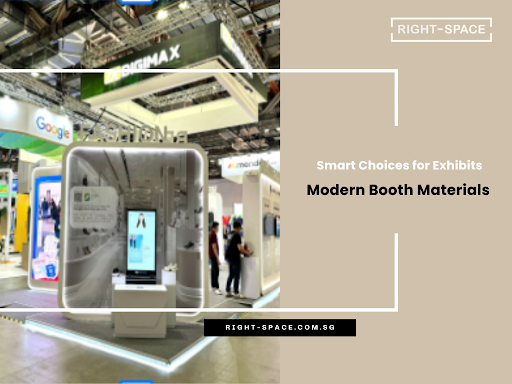
Booth materials are the backbone of modern trade-show design—they control how your stand looks, how long it lasts, and how much stress (and money) you burn on logistics.
This blog will walk you through the smartest material choices for modern booth construction, from classic wood to sustainable modular systems.
1. Why Booth Materials Matter More Than Ever
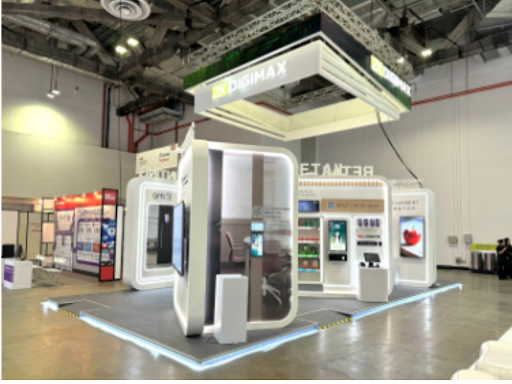
The modern trade-show floor is noisy, crowded, and fast-paced. You’re competing not only for attention, but also against tight setup windows, strict venue rules, and shrinking budgets.
Choosing the right booth materials directly affects
- How striking your booth looks from the aisle
- How quickly you can build and dismantle it
- Whether it survives multiple shows without constant repairs
- Your long-term ROI and sustainability story
Exhibit specialists like Methodex note that material choice directly determines functionality, durability, and visitor appeal—the same footprint can feel cheap and temporary or premium and permanent purely based on materials used.
Meanwhile, firms such as Booth Exhibits recommend planning a realistic budget plus a 10–15% contingency, so you can upgrade critical elements (structures, finishes, graphics) that actually move the needle on ROI rather than cutting corners everywhere.
2. Key Factors That Influence Material Selection
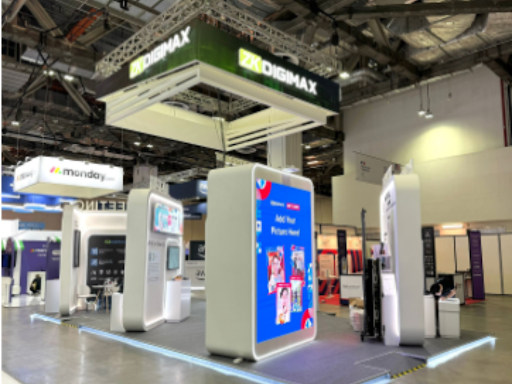
Before you pick specific booth materials, clarify these five things:
2.1 Brand Image & Experience
Materials communicate personality:
- Wood panels = warm, human, handcrafted
- Aluminium frames = modern, technical, efficient
- Back-lit fabrics & acrylic boards = innovative, future-facing
Serviscomplet and other exhibit builders often use this palette deliberately: wood for hospitality and lifestyle brands, cool metals and glass for tech, and back-lit textile graphics for innovation-led exhibitors.
2.2 Logistics: Weight, Transport & Setup
Lightweight structures mean:
- Lower freight and drayage
- Fewer labour hours
- Easier handling for smaller teams
Aluminium systems, fabric graphics, and plastics are far easier to transport and install than solid timber or glass, which is why they dominate modular and portable exhibit systems.
Heavier materials (solid wood, steel, glass) can be worth it when:
- You need long-term durability for a booth touring multiple years
- You have heavy products to support
- You’re building double-deck or highly structural stands
2.3 Cost & ROI
Cost isn’t just about the initial build. It’s:
- Initial fabrication
- Storage between shows
- Repairs and reprints
- Adaptation for new layouts
Fabric and plastics are usually more affordable upfront, while wood, metal, and glass cost more but can project a more premium look if used strategically.
2.4 Safety, Regulations & Sustainability
Many venues now:
- Restrict highly flammable materials (untreated wood, cardboard)
- Require certifications for fire-retardant fabrics and panels
- Encourage or mandate eco-friendly booth materials and waste-reduction plans
Always check the show’s exhibitor manual for approved materials and fire-rating requirements before you lock in the design.
2.5 Reuse & Modularity
If you exhibit at multiple shows a year, prioritise:
- Reusable aluminium frames
- Magnetic graphic panels
- Modular walls and block systems
This lets you adapt to different floorplans without rebuilding from scratch, increasing ROI and reducing waste—especially important for brands positioning around sustainability.
3. Wood & Carpentry: Classic Looks with Custom Freedom
3.1 Characteristics
Wood is still the go-to for fully customised, high-end stands:
- Plywood & MDF can be cut, routed, painted, or laminated for seamless finishes.
- Solid timber adds texture and depth to premium spaces.
- Custom carpentry allows integrated furniture, storage, and sculptural forms that are hard to achieve with purely modular systems.
3.2 Pros
- Warm, organic aesthetics that feel premium and inviting
- High flexibility for bespoke shapes and integrated features
- Durable for long-term use when properly built and stored
3.3 Cons
- Heavier and bulkier to ship and handle
- More labour-intensive to build and reconfigure
- Flammability concerns in venues with strict fire codes
- Less sustainable if built for single-use and not designed for reuse
3.4 Best Uses
- Hero walls and feature backdrops
- Custom reception counters and product plinths
- Hospitality zones (bars, cafes, lounges)
- High-end “flagship” exhibits or national pavilions
4. Metals: Aluminium, Steel & Hybrid Frameworks
4.1 Aluminium Frames
Aluminium is the workhorse of modern booth construction:
- Lightweight, strong, corrosion-resistant
- Ideal for reusable modular walls and hanging structures
- Compatible with fabric graphics, rigid panels, and LED lightboxes
Exhibit suppliers highlight aluminium’s ability to support multiple attachment types—shelves, screens, signage—while remaining easy to transport and assemble with simple tools.
4.2 Steel & Other Metals
Steel comes in when you need:
- Heavy-duty support for machinery or vehicles
- Multi-level platforms and double-deck stands
- Extra rigidity for large spans or tall towers
The trade-off: higher weight, more complex logistics, and sometimes higher rental & labour costs.
4.3 Hybrid Metal Structures
Most modern exhibits are hybrids:
- Metal frame for structure
- Wood, acrylic, or fabric skins for aesthetics
- Integrated lighting and digital screens
Hybrid systems give you the premium look of custom carpentry with the reusability and efficiency of modular engineering.
5. Fabrics & Textiles: Lightweight, High-Impact Visuals
5.1 Common Fabric Types
- Stretch fabric for tension frames and seamless curves
- Polyester textiles for large-format backdrops and hanging signs
- Vinyl for outdoor banners and weather-exposed graphics
Printed fabrics now reach photo-quality resolutions, and when back-lit, they create striking, cinematic walls.
5.2 Advantages
- Extremely lightweight and portable
- Fast to install—often slide over frames like pillowcases
- Cost-effective for large graphic areas
- Easy to reprint for new campaigns while reusing frames
5.3 Limitations
- Can wrinkle if not packed properly
- Less robust as structural components
- Can move in drafty halls or outdoor conditions
5.4 Best Uses
- Back-lit graphic walls and arches
- Hanging cubes and ceiling elements
- Branded backdrops for theatres or demo zones
6. Plastics & Acrylics: Flexible, Lightweight & Modern
6.1 Popular Plastic Booth Materials
- PVC sheets – lightweight, rigid, great for printed panels and partitions
- Foam board – PVC with a foamed core; excellent for temporary signage and 3D logos
- Acrylic boards – sleek, glossy surfaces for premium branding and lightboxes
- Polycarbonate – extremely impact-resistant, good for security and longevity
Suppliers like Acme Plastics emphasise that plastics are easy to cut, route, and thermoform into custom shapes, and can be printed or vinyl-wrapped for full-colour graphics.
6.2 Acrylic: The “Glass Look” Without The Risk
Acrylic (often called plexiglass) offers:
- Clear, coloured, or frosted finishes
- Shatter resistance compared to glass
- Excellent light transmission for lightboxes and edge-lit signs
Use acrylic for:
- Logo panels and halo-lit signs
- Display cases and product risers
- Floating graphic panels and privacy screens
6.3 PVC & Foam Board
PVC sheets and foam boards are:
- Lightweight and relatively inexpensive
- Ideal for wall cladding, printed infill panels, and quick branding
- Easy to cut onsite for last-minute fit adjustments
6.4 Polycarbonate
Use polycarbonate when you need:
- Long-term durability
- Impact resistance (e.g., busy public shows, kids, or heavy traffic)
- Clear protective barriers or security glazing
It’s more expensive than acrylic, but pays off with repeated use across many events.
7. Glass & Plexiglass: Premium Transparency
7.1 Glass
Glass is still unmatched for pure clarity and a sense of luxury, but:
- It’s heavy and fragile
- Requires careful transport and handling
- Often needs additional safety measures on site
Best for high-end showcases, VIP lounges, and enclosed meeting rooms where budget and logistics allow.
7.2 Plexiglass / Acrylic Glass
Plexiglass (acrylic glass) gives you:
- Similar transparency to glass at a fraction of the weight
- Shatter resistance, safer in busy halls
- Easier fabrication for custom shapes and suspended elements
Both materials are excellent for:
- Transparent display cases
- Glass-like railings and partitions
- Floating shelves or suspended product displays
8. Sustainable Booth Materials: Designing for a Greener Floor
8.1 Why Sustainability Is No Longer Optional
Many organisers and large brands now set sustainability requirements for exhibitors:
- Limits on single-use builds
- Encouragement of reusable structures
- Recycling stations and waste audits
Material choice is central to meeting those expectations.
For projects with complex stage elements or live demos, align materials with live event production services so rigging, lighting, and AV integrate cleanly.
8.2 Eco-Friendly Booth Materials & Options
Consider:
- FSC- or PEFC-certified wood – responsibly sourced timber and plywood
- Reusable aluminium frames – used show after show with refreshed graphics
- PVC-free fabrics – made from recycled polyester or bio-based fibres
- Recycled carpets & flooring – tiles or rolls designed for reuse or recycling
- Bamboo – rapidly renewable, lightweight structural and decorative material
- Biodegradable plastics – for low-impact temporary elements where possible
8.3 Life-Cycle Thinking
Sustainability doesn’t stop at the product catalogue:
- How far are materials transported?
- How often will the booth be reused?
- Can graphics be reprinted while preserving their structure?
- Do suppliers offer take-back or recycling programmes?
When you discuss sustainable booth materials with your builder, ask for a plan covering design, construction, transport, dismantling, and end-of-life.
If you have a sustainability hub, link with contextual anchors like eco-friendly booth materials and exhibit design.
9. Modular Systems & Hybrid Solutions
9.1 What Is a Modular Booth?
Modular stands use pre-engineered components—usually aluminium frames, connectors, and interchangeable panels—that can be assembled in different configurations.
Benefits:
- Faster installation and dismantling
- Lower shipping and storage costs
- Configurable for different booth sizes and layouts
- Sustainable due to repeated reuse
9.2 Hybrid Booths
Hybrid stands mix:
- Modular skeleton (for efficiency)
- Custom carpentry or sculptural elements (for wow factor)
This might look like:
- A modular wall system as the base
- A custom wood bar or stage at the front
- A sculptural feature made from bamboo or recycled blocks
You get the best of both worlds: a recognisable structure that’s easy to adapt, plus a signature element unique to your brand.
9.3 Block Systems (e.g., EverBlock)
Systems like EverBlock use durable, oversized plastic blocks that:
- Stack like LEGO to form walls, bars, counters, and stages
- Can be disassembled and reconfigured endlessly
- Travel compactly and meet varied site constraints
Block systems are beneficial when:
- Venues have strict building restrictions
- Set up windows are shor.t
- You need maximum flexibility between different event types
10. How to Choose the Right Booth Materials: A Practical Framework
When you’re planning a new stand, use this simple framework.
10.1 Define Priorities
Rank these from 1–5:
- Premium look
- Portability
- Reuse across multiple shows
- Sustainability
- Short build times
Your top two or three will heavily influence material selection.
10.2 Combine Materials Intelligently
For example:
- Tech brand: aluminium frames + back-lit fabric graphics + acrylic boards
- Eco brand: FSC wood + reusable aluminium + PVC-free textile graphics
- Luxury hospitality: carpentry, glass/plexiglass, fabric drapery, warm lighting
10.3 Align with Budget & ROI
- If budget is tight: prioritise modular aluminium and fabric; reserve wood or glass for one or two “hero” features.
- If you’re building a long-term flagship: invest in durable carpentry, steel structure, and high-quality finishes that can be refreshed with new graphics instead of rebuilt.
10.4 Check Regulations Early
Request:
- Fire-rating requirements
- Max heights and overhang rules
- Approved materials list
This avoids expensive redesigns when you’re already in production.
Conclusion
Modern booth construction is no longer just about what looks good for three days on a show floor. The smartest exhibitors choose booth materials that balance aesthetics, logistics, sustainability, and long-term ROI.
Wood and carpentry still deliver unmatched warmth and bespoke detail, but metals and modular aluminium frames give you the durability and flexibility you need to tour multiple shows. Fabrics, plastics, acrylic boards, and glass or plexiglass add layers of lightweight impact, from back-lit storytelling walls to premium product displays. As sustainability expectations rise, eco-friendly booth materials—certified wood, reusable frames, PVC-free fabrics, and modular systems—are becoming the default rather than the exception.
By approaching material selection as a strategic decision, not just a purchasing task, you can build booths that travel well, comply with regulations, and tell your brand story with clarity and impact at every event.
For end-to-end guidance that connects materials to drawings, approvals, and on-site crews, explore our Exhibition Booth Design Services.
FAQs About Booth Materials
What are the most durable booth materials for long-term use?
For long-term touring exhibits, steel and aluminium structures offer the highest durability and structural strength, especially for heavy equipment or multi-level builds. Well-built carpentry using quality plywood or MDF is also durable, but typically heavier and more maintenance-intensive over time.
How do I choose truly sustainable booth materials?
Look for FSC- or PEFC-certified wood panels, reusable aluminium frames, PVC-free textiles, recycled carpets, and modular components designed for reuse. Ask your builder about the full life cycle—sourcing, transport, reuse, and end-of-life recycling—to ensure you’re genuinely using sustainable booth materials, not just green-tinted marketing.
Which materials are easiest to transport and set up?
If portability is your priority, choose lightweight structures: aluminium frames, fabric graphics, foam board, PVC sheets, and modular blocks. These reduce shipping weight, require fewer crew members, and can often be installed with basic tools, making them ideal for frequent exhibitors or smaller teams.
Can I mix different booth materials in one design?
Absolutely. Most successful stands are hybrids. You might combine aluminium frames for structure, wood panels for warmth, acrylic boards for illuminated signage, and fabric graphics for large branding walls. Mixing materials lets you balance cost, weight, and visual impact while aligning the experience with your brand personality.
Are there any booth materials I should avoid for safety reasons?
Avoid untreated flammable materials like raw cardboard or non-certified textiles in venues with strict fire codes. Always check the exhibitor manual for specific restrictions on materials and finishes. Where needed, use fire-retardant treatments or opt for inherently fire-rated fabrics and panels to comply with local regulations.