
Exhibition Booth Tender Singapore Requirements for 2026
1 January 2026
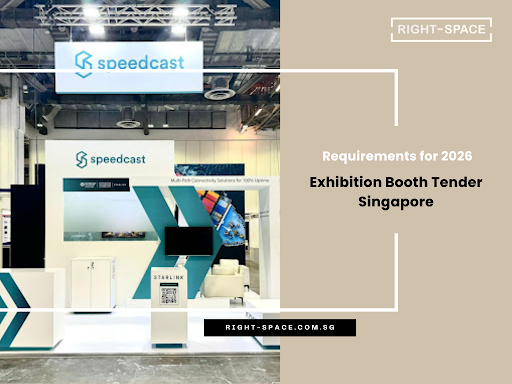
Exhibition booth tender Singapore requirements have become more detailed, more compliance-driven and more competitive as organisers prepare for high-volume events in 2026. Brands entering tenders now need structured documentation, accurate technical drawings and commercially sound proposals that meet procurement standards. This blog will walk you through the essential requirements and the practical steps companies must prepare for before submitting a booth tender next year.
Companies often begin their preparation by reviewing the fundamentals of booth strategy through the exhibition booth design service page, which outlines how spatial planning, fabrication and creative direction influence tender readiness.
1. Why Tender Requirements Are Becoming Stricter for 2026
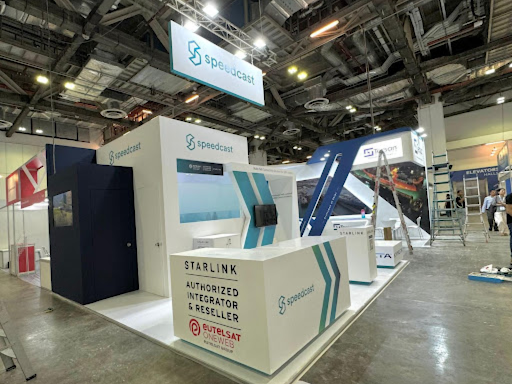
Exhibition organisers in Singapore are tightening requirements because booth construction now involves safety standards, structural load considerations, sustainability policies and digital engagement expectations. As the MICE industry scales up for 2026, procurement teams need greater assurance that vendors can deliver complex builds safely and consistently.
A 2024 report from Event Marketer highlighted that procurement teams globally are favouring vendors who demonstrate strong documentation standards, predictable workflows and transparent costing. This trend is mirrored in Singapore, where organisers seek proposals that balance creativity with compliance.
Exhibitors preparing for tender work often start by studying how design choices influence visual impact and visitor flow.
2. Understanding the Structure of a Singapore Exhibition Booth Tender
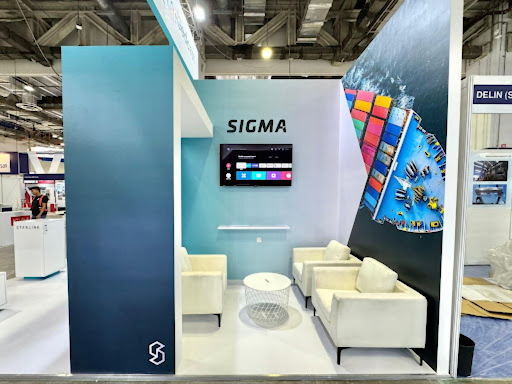
A booth tender usually follows the same backbone across trade shows, government-linked exhibitions and corporate-led events. While details vary, procurement teams often expect documentation aligned with international tender conventions.
Below are the core components companies must prepare for.
Request for Proposal (RFP) and Scope of Work
The RFP outlines objectives, spatial constraints, submission requirements and evaluation criteria. Companies must provide a clear project scope of work that reflects the organiser’s intentions, including fabrication approach, build duration and manpower needs.
Design concept proposal
A booth design proposal must demonstrate a clear narrative, intentional zoning and brand communication strategy. Exhibitors who want to strengthen this section often review creative inspirations such as What Makes a Booth Stand Out, which highlights the relationship between design clarity and engagement.
Technical submission requirements
Organisers expect specific technical drawings, structural documentation and safety paperwork. These components show that the design is not only visually strong but also feasible and safe for on-site construction.
Costing and BOQ
A detailed Bill of Quantities (BOQ) with material descriptions, fabrication methods and unit pricing allows evaluators to assess cost transparency and vendor capability.
Compliance documents
Vendors must submit safety certifications, insurance coverage, method statements and risk assessments as part of the tender package.
A tender that lacks any of these sections is considered incomplete, which reduces scoring potential.
3. The Tender Submission Checklist Every Company Must Follow
Singapore tenders follow structured procurement formats. Submissions must be complete, compliant and delivered within strict timelines.
Here is the tender submission checklist companies should use for 2026 events.
Company profile and accreditations
The contractor pre-qualification checklist typically includes ACRA business information, past project experience, safety certifications and any vendor accreditations held in Singapore or the region.
Booth design proposal
This includes:
- Initial concept narrative
- Spatial planning layouts
- Material palette
- Digital integration options
- Visitor experience flow
Technical drawings
Mandatory documentation often includes:
- CAD drawings
- Elevation plans
- Structural load distribution
- Electrical layouts
- Fire safety compliance documentation
A detailed technical submission demonstrates capability to deliver a safe and compliant build.
Budgetary quotation
This section must include unit rates, modular breakdowns, alternative options and BOQ.
Project schedule
A proposed timeline covering design development, fabrication, transportation, build-up and tear-down.
Risk assessments and safety forms
Organisers typically follow safety frameworks aligned with local venue regulations. Risk Assessment submissions prove that vendors can execute the build safely.
Tender compliance acknowledgment
Some RFPs require vendors to sign verification forms acknowledging compliance with documentation standards, safety requirements and scope definitions.
This checklist ensures the submission meets procurement expectations and passes administrative screening before evaluation begins.
4. Booth Design Proposal Requirements: What Evaluators Really Look For
Tender evaluators look beyond aesthetics. They assess whether the booth design enhances visitor experience, supports brand message and meets safety constraints.
Zoning and flow clarity
Booths must demonstrate intuitive paths of movement. Visitors should know where to enter, explore and exit without friction. Evaluators often prioritise booths with well-structured interaction points, demo zones, product walls or meeting corners.
Structural feasibility
A design that requires materials that exceed venue weight limits or construction parameters may be scored lower. CAD drawings for tender approval must reflect realistic material choices and proper structural reinforcement.
Brand communication
Evaluators assess how well the booth communicates brand identity through colour, form, messaging and digital displays.
Build practicality
Designs with unattainable finishing details or unrealistic installation timelines raise red flags during evaluation.
Exhibitors often refine these proposal components after reviewing examples from Exhibition Booth Design Ideas 2025, which highlights practical design strategies that score well in tender environments.
5. Technical Documents That Will Be Mandatory for 2026 Submissions
Technical requirements are becoming stricter across Singapore venues. Most tenders for 2026 will require the following documentation.
CAD and technical drawings
These include:
- Floor plans
- Elevations
- Detailed joinery drawings
- Structural load information
- M&E layouts
These drawings prove constructability and help assess cost accuracy and safety compliance.
Safety documentation
Organisers may require:
- Fire safety plans
- Electrical safety documents
- Method statements
- Risk assessments
A recent study on global exhibition safety compliance published by Harvard Business Review highlighted increasing expectations for transparent safety documentation in emerging MICE markets.
BOQ and material listing
Material descriptions must be specific enough for evaluators to validate cost accuracy.
Sustainability documentation
Some tenders now require material recycling statements or sustainability assurance forms, especially for government-linked exhibitions.
6. Tender Evaluation Criteria Companies Must Prepare For
Tender scoring in Singapore often follows a matrix that weighs creativity, technical feasibility, costing and compliance.
Creativity and brand alignment
This evaluates narrative strength, booth impact and how effectively the design communicates brand identity.
Technical feasibility
Evaluators assess material choices, structural loading, construction complexity and build practicality.
Cost competitiveness
Transparent costing increases trust. Ambiguous BOQ entries often reduce scoring.
Past experience
Vendors with documented experience in similar booth sizes or industries generally score higher.
Documentation completeness
Incomplete submissions, missing forms or inaccurate drawings reduce chances of tender success.
These criteria create a predictable structure that vendors can prepare for once they understand how the scoring matrix is typically weighted.
7. Submission Timeline: What Companies Must Prepare for 2026
Tender timelines are non-negotiable. Companies submitting for 2026 should anticipate a cycle that follows this general structure.
RFP release
Organiser releases tender documents with submission requirements.
Clarification period
Vendors may submit questions. This is the ideal window to clarify technical drawings, safety expectations or design constraints.
Design development
Vendors prepare concept proposals, spatial layouts and technical drawings.
Costing and scheduling
Teams prepare BOQ, costings and project timelines.
Final submission
Tenders are submitted electronically or physically according to organiser instructions.
Evaluation
Organisers review submissions, scoring design, costing and technical feasibility.
Companies preparing for 2026 should start developing design concepts early to ensure technical drawings and safety documentation meet requirements.
8. Common Mistakes That Lead to Tender Rejection
Tender rejections often trace back to avoidable mistakes.
Missing technical documents
Omitting CAD drawings or load calculations results in immediate disqualification.
Overly creative proposals without technical grounding
Designs that look impressive but cannot be built safely will be scored down.
Ambiguous BOQ
Unclear materials or missing unit rates decrease evaluator confidence.
Inconsistent messaging
A proposal must present a cohesive narrative across all documents.
Improper file formatting
Incorrect file types or missing naming conventions can invalidate a submission.
Companies can avoid these issues with a structured workflow supported by early preparation and detailed documentation.
9. How Companies Can Strengthen Tender Success for 2026
To stand out, companies must combine strong creative direction with robust compliance.
Start with a design grounded in visitor behaviour
Booths that understand flow, vertical sightlines and visual hierarchy tend to score higher. Relevant insights from What Makes a Booth Stand Out help exhibitors align creative intent with practical, high-impact design.
Use tender-ready technical templates
Companies should create reusable CAD and BOQ templates to speed up submission cycles.
Provide complete safety documentation
Safety completeness signals professionalism and reduces evaluation doubts.
Emphasise past work in tenders
Documented case studies, awards or large-scale builds add credibility.
Work with experienced builders
Teams familiar with Singapore’s MICE tender expectations can anticipate common pitfalls and help refine submission accuracy.
Conclusion
Exhibition booth tenders in Singapore are becoming more detailed, more structured and more competitive. Brands preparing for 2026 must be ready with complete documentation, strong design proposals, accurate technical drawings and transparent costing. When companies take the time to understand tender requirements and prepare with precision, they increase their chances of securing opportunities in a growing exhibition market. For teams that want support from concept to submission, collaborating with booth specialists helps turn tender requirements into winning proposals.
If your organisation is preparing for a 2026 tender and needs guidance on design, technical documentation or full tender support, the Right-Space team can assist you in building a submission that meets both creative and compliance standards.
FAQs About Exhibition Booth Tender Singapore
What documents are needed for an exhibition booth tender in Singapore?
Most tenders require CAD drawings, BOQ, risk assessments, safety documentation and a booth design proposal that aligns with organiser objectives.
How early should companies start preparing for 2026 booth tenders?
Many vendors begin preparation three to six months before submission to allow for design development, technical drawings and costing refinement.
Why do tender evaluators emphasise technical drawings?
Technical drawings show feasibility, safety compliance and construction practicality, which are essential for tender approval.
What is a BOQ in exhibition tenders?
The Bill of Quantities outlines material descriptions, unit rates and fabrication details. It helps evaluators validate cost transparency.
How can companies increase their chances of winning booth tenders?
Clear proposals, strong technical accuracy, safety completeness and past project experience contribute to higher evaluation scores.