
Interior Branding Singapore: Design That Drives Behaviour
25 December 2025
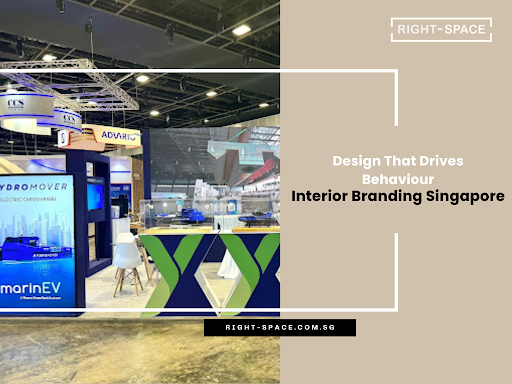
Interior branding in Singapore shapes how people feel, move and behave inside a space. It blends design, psychology and brand identity to influence decisions in retail stores, offices and customer-facing environments. This guide explains how interior branding works, why it matters and how Singapore businesses can use it to create meaningful, high-performing spaces.
1. What Interior Branding Really Means And Why It Matters
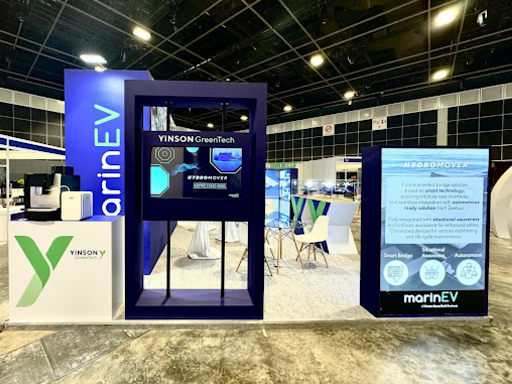
Interior branding is the practice of using design to express a brand’s identity through its physical environment. It goes beyond decoration. It shapes how people behave the moment they enter a retail store, office, or customer-facing space.
A branded interior influences:
- First impressions
- Customer trust and comfort
- Movement patterns
- Dwell time
- Purchase decisions
- Employee motivation
In a fast-moving and competitive market like Singapore, strong interior branding helps businesses stand out and create lasting impressions.
Many of these ideas mirror insights found in the latest commercial interior design trends in Singapore, where brand identity and spatial experience go hand in hand.
2. Brand Identity and Spatial Storytelling
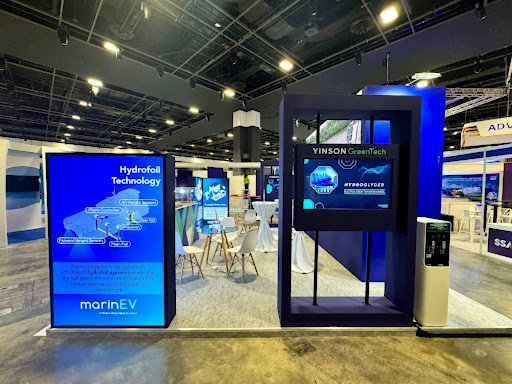
2.1 Turning Brand Strategy Into Space
Effective interior branding starts with understanding the brand’s voice, vision and audience. Designers translate those insights into:
- Colour palettes
- Materials and finishes
- Furniture style
- Graphic language
- Layout and flow
- Lighting expression
When these choices align, the space feels “on-brand.” When they don’t, the experience becomes generic.
2.2 How Singapore Brands Use Spatial Storytelling
- BreadTalk uses warm tones and playful graphics to create a “fresh bread theatre.”
- Tiger Street Lab blends murals and street-culture elements to communicate Tiger Beer’s heritage.
- OCBC’s futuristic branches reinforce digital-first innovation through form and interactive screens.
Well-branded spaces communicate without words. They make people understand the brand simply by being inside the environment.
For more on how physical branding ties to broader strategy, see this guide to brand activation strategy in Singapore.
3. Layout and Behavioural Design: Guiding How People Move
Interior branding is also behavioural design. How a space is planned affects how people interact with it.
3.1 Behavioural Design in Retail
In Singapore retail environments:
- People need a short decompression zone at the entrance.
- Most shoppers naturally turn right.
- “Power walls” placed on the right side perform well.
- Grid, loop or free-flow layouts should match the brand’s shopping style.
- Experience zones help guide attention and create a structured journey.
Retail layout strategy often overlaps with pop-up store design strategies in Singapore, especially in malls and event spaces.
3.2 Behavioural Design in Corporate Spaces
For offices and corporate environments, interior branding guides:
- Visitor arrival sequence
- Wayfinding clarity
- Meeting and collaboration flow
- Zoning between public and private areas
- Use of brand walls, digital story walls, and curated art
When a workplace supports clear movement and comfort, it boosts employee morale and professional image.
3.3 Retail and Roadshows Share Similar Patterns
Movement principles in retail often match those used in mall roadshows and public pop-ups. Concepts like foot-traffic flow, attention anchors and dwell-time zones appear across both formats.
For more on flow psychology, refer to these retail flow and roadshow design insights.
4. Sensory Branding: Designing How People Feel
Interior branding involves more than visuals. It taps into all senses.
4.1 Colour Psychology
Colours influence emotion and behaviour:
- Blue → trust, calm
- Red → urgency, energy
- Green → balance, nature
- Yellow → friendliness, optimism
4.2 Lighting for Mood and Attention
Lighting shapes how a space feels:
- Warm lighting adds comfort
- Cool lighting supports focus
- Accent lighting draws attention to priority areas
- Even lighting improves perceived professionalism
4.3 Texture, Scent and Sound
Sensory cues help create strong emotional memory:
- Natural textures → comfort, authenticity
- Signature scents → stronger brand recall
- Soundscapes → influence pace, privacy and mood
These sensory principles mirror experiential marketing strategies that increase foot traffic, where multisensory cues shape engagement behaviour.
5. Technology and Interactivity Inside Branded Spaces
Modern interior branding often blends digital tools with physical environments.
5.1 Interactive Digital Layers
Common features in Singapore include:
- Digital displays for campaigns
- QR codes for product info
- AR/VR demo corners
- Sensors for dwell-time data
- Digital wayfinding
- Projection walls for storytelling
5.2 Social-Friendly Design Moments
Instagrammable design is not a gimmick when it’s authentic. Good examples include:
- Sculptural lighting
- Feature murals
- Curated backdrops
- Branded alcoves
These encourage sharing and give the brand organic visibility.
6. Sustainability and Biophilic Design: A New Expectation
Sustainability shapes brand credibility in Singapore.
6.1 Eco-Friendly Interior Practices
Brands now prioritise:
- Recycled or eco-certified materials
- Low-VOC paints
- LED and motion-sensor lighting
- Modular fixtures
- Long-lasting materials
These choices reduce waste and show responsibility — which customers notice.
6.2 Biophilic Design for Wellbeing
Natural elements improve mood and productivity. They also enhance retail dwell time.
Examples include:
- Green walls
- Indoor plants
- Natural light
- Timber and stone textures
Jewel Changi Airport is a prime example of how biophilic design can create a destination experience.
7. Budget, Flexibility and Long-Term Value
7.1 Spend Where It Matters
Focus budget on:
- Entrances
- Reception or cashwrap
- Meeting rooms
- Hero product displays
- Social-friendly corners
Use simpler finishes for back-of-house areas.
7.2 Design for Adaptability
Spaces in Singapore change fast. Good interior branding supports:
- Modular shelving
- Mobile fixtures
- Repositionable track lighting
- Demountable partitions
- Digital screens for campaigns
Corporate and hospitality spaces wanting style inspiration often turn to corporate event styling trends in Singapore for material and mood direction.
8. Case Studies: Interior Branding Done Well in Singapore
8.1 Jewel Changi Airport
A blend of biophilic design and immersive retail — creating a destination where nature and retail come together.
8.2 Funan Mall
A tech-forward mall built around lifestyle, play and community. VR corners, industrial textures and creative zones express its “urban creative” identity.
8.3 Singapore Airlines A380 Suites
A masterclass in luxury interior branding where privacy, comfort and national identity merge through materials and spatial design.
Conclusion
Interior branding in Singapore is where brand identity meets behavioural design. When a space tells a clear story, guides movement naturally, and feels comfortable and memorable, it becomes a powerful brand asset, not just a renovation project.
If you’re refreshing a retail store, upgrading a corporate office, or designing a new customer-facing space, strong interior branding helps you shape behaviour, improve experience, and support business results.
FAQs About Interior Branding Singapore
1. What is interior branding, and why is it important?
It uses design to express brand identity and influence customer behaviour. It affects first impressions, comfort and engagement.
2. How does interior branding affect behaviour?
Layout, lighting, colour and sensory cues guide movement and shape how long people stay and where they go.
3. How do I apply brand identity to my space?
Translate brand values into colours, materials, graphics and spatial storytelling across key zones.
4. How does interior branding support sustainability?
By using eco-friendly materials, efficient lighting and biophilic elements to reduce environmental impact and improve wellbeing.
5. What should businesses prioritise in their budget?
High-impact zones like entrances, hero areas and meeting rooms. Use modular systems to stay flexible in the long term.